Lifeboats on Cruise Ships: Safety, Capacity, and Amenities
Table Of Content

These regulations provide a standardized framework that ensures a consistent level of safety across the global cruise industry. It’s important to note that while life rafts may not be as comfortable as lifeboats, they are a necessary safety measure on board cruise ships. In the event of an emergency, every second counts, and having enough life rafts for the crew can mean the difference between life and death. Modern cruise ships are typically equipped with gravity davit systems, which allow lifeboats to be swiftly launched even in rough seas. These davit systems use mechanical advantages like pulleys and winches to lower the lifeboats into the water. Once in the water, the lifeboat coxswain – a crew member trained to steer the boat – navigates away from the distressed ship using the onboard engine.
Emergency Preparedness and Additional Safety Measures
Cruise Rescues Boat of People Lost at Sea for 8 Days - Newsweek
Cruise Rescues Boat of People Lost at Sea for 8 Days.
Posted: Tue, 05 Mar 2024 08:00:00 GMT [source]
This attempted to be addressed by creating (or adding) separate lifeboat decks, and the wider use of collapsible lifeboats,[citation needed] a number of which had been carried on Titanic. All cruise ship passengers must participate in a lifeboat drill before the cruise sets sail. Lifeboats aren’t just used in emergencies, they sometimes double up as tender boats to take passengers to shore from the cruise ship when in port. The lifeboats on a cruise ship are typically located on the outside decks, often on both sides of the ship.
What additional specifications apply to lifeboats on cruise ships?
The Titanic actually sailed with four more lifeboats than the legal minimum requirement. Cruise ship lifeboats must adhere to SOLAS regulations, which require lifeboat capacity and provisioning during drills to follow specific guidelines. These multi-purpose lifeboats ensure cruise ships are well-equipped for routine and emergencies. Passenger ships must have enough lifeboat space for a minimum of 75% of the ship’s maximum capacity.
Lifeboat (shipboard)
Today, ships are equipped with advanced technology and navigation systems, making it less likely for them to get into trouble. Additionally, ships now have enough lifeboats and life rafts for all guests, and crew members are required to undergo mandatory safety training. While accidents can still happen, the industry’s commitment to safety and continual improvements should reassure passengers that they are in good hands. Lifeboats play a pivotal role in ensuring the safety of passengers and crew aboard cruise ships.
These factors take into account the vessel’s passenger capacity, the type and size of the ship, and the potential risks it may encounter during its operational lifespan. Understanding the regulations and principles behind lifeboat requirements is essential for cruise ship operators, as they strive to provide a safe and secure environment for their passengers. It also gives passengers peace of mind, knowing that adequate measures are in place to protect their well-being during their cruise vacation. Cruise ships often carry inflatable life rafts and enclosed and partially enclosed lifeboats to ensure adequate capacity for all passengers and crew.
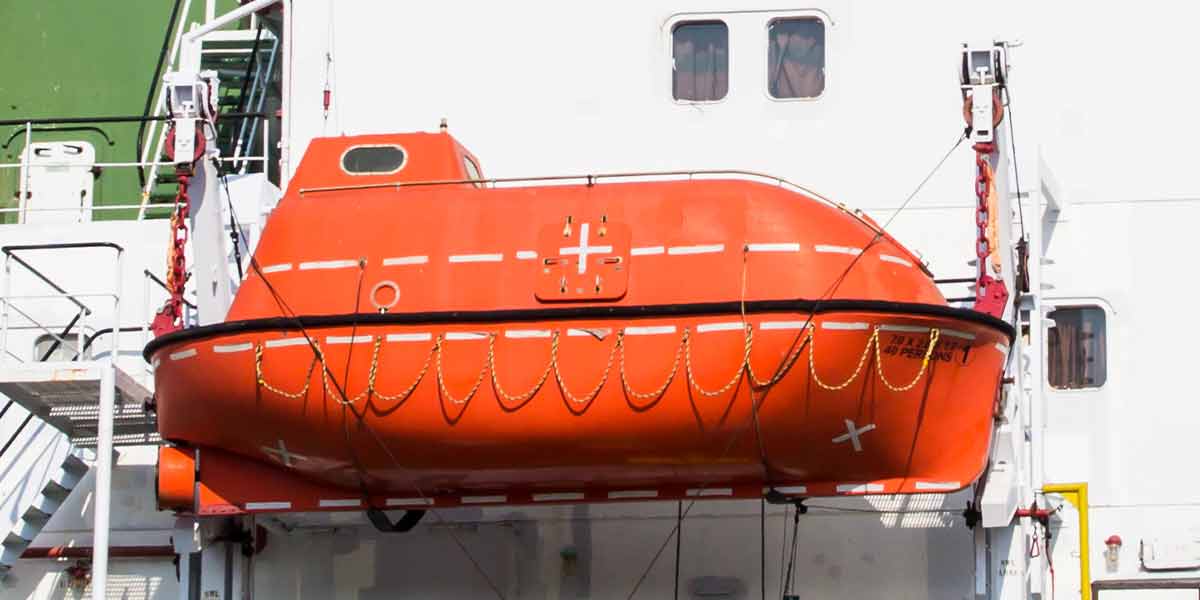
Cruise ship lifeboats are an essential safety measure designed to ensure the well-being of passengers and crew in an emergency. Collapsible cruise ship life rafts are stored in fiberglass canisters and usually utilize a high-pressure gas to automatically inflate once deployed. Ships may also carry rigid, noninflatable life rafts, but they aren't as common for large cruise vessels. On a cruise ship, there must be enough lifeboats to accommodate 37.5% of passengers and crew members on either side (75% total), according to the International Convention for the Safety of Life at Sea.
What can be found on a lifeboat?
SOLAS is a treaty developed by the International Maritime Organization (IMO) and sets out minimum safety standards for ships, including rules for life-saving appliances like lifeboats. Many people worry that cruise ships don’t have enough lifeboats if an emergency evacuation is needed. However, these days a cruise ship’s lifeboats can be multipurpose — used to ferry passengers to the port as necessary. And, as cruise ships have grown bigger and bolder, this has carried over to the lifeboats in some instances. Despite the advancements in cruise ship construction and safety protocols, the sea remains an unpredictable and sometimes hazardous environment. As the last line of defense in a worst-case scenario, these craft are vital for upholding marine safety.
Equipment to be carried on lifeboats and liferafts
These packages let you choose between two partner hotels in Freeport, where you'll stay two or four nights on land, then hop back on the ship for your return night at sea. Combine the pink-sand beaches of Bermuda with a trip to the Bahamas onboard Royal Caribbean’s Grandeur of the Seas for a longer, sun-soaked getaway. The cruise sails from Baltimore and overnights in Port Canaveral, for even more time exploring. Then, it continues to Royal Caribbean’s private island in the Bahamas for private cabanas, gigantic water slides, and swim-up bars.
The line's "freestyle cruising" mantra — cruising without rigid dining schedules, dress codes and formal nights — is perfectly suited for short sailings. With a wide range of eateries and no assigned seating times, passengers have lots of flexibility for their limited time at sea. Wish carries 4,000 passengers in cabins and suites designed to simplify cruising with kids.
Watch: World's largest cruise ship rescues 14 people stranded at sea for over a week - Fox Weather
Watch: World's largest cruise ship rescues 14 people stranded at sea for over a week.
Posted: Wed, 06 Mar 2024 08:00:00 GMT [source]
Cruise ships have also been designed to allow lifeboats and life rafts to deploy even if the ship is listing up to 20 degrees. If the words "cruise ship lifeboat" sound scary, don't worry -- today's modern lifeboats are designed for maximum safety in the event of an emergency. They have hard-sided fiberglass construction, are fully enclosed to protect passengers from the elements and have powerful engines capable of getting everyone to safety. They are required by law to have enough lifeboats for at least 75% of all passengers and crew on board.
As well as the rigid-bodied lifeboats onboard, there will be some inflatable life rafts too. Lifeboats are located along the sides of the ship on the deck that is the most easily accessible to the majority of the passengers and crew. This deck is usually named the boat deck, ensuring that passengers and crew know exactly where to go in the event of an emergency. Not only do they serve as rescue vessels, they are also equipped with necessary survival supplies, from food and water to first aid kits, thermal protective aids, and distress signal devices. Lifeboats, therefore, represent an amalgamation of safety, survival, and rescue equipment, all bundled into a single, life-preserving entity. They are intentionally crafted to be unsinkable and sturdy, capable of enduring severe weather and sea conditions.
Celebrity Reflection is the line's last and largest Solstice Class cruise ship. You'll also find large spas, casinos, showrooms and a nice selection of restaurants on board. When Royal Caribbean's giant Utopia of the Seas debuts in July 2024, it will offer a bevy of short sailings, including three- and four-night sailings from Port Canaveral, Florida. The 236,860-ton, 5,669-passenger vessel will be the second-largest cruise ship in the world and offer more exciting amenities than any other cruise ship sailing short itineraries in North America.
Furthermore, the lifeboats and the cables that raise and lower them need to be strong enough to enable the lifeboat to be lowered to its maximum depth. Instead, each cabin is given an assembly station where, if an evacuation is judged necessary, they will meet up with crew members and be directed to a lifeboat. To locate their assembly station and get familiar with the ship’s emergency protocols, passengers are required to participate in a muster drill.
The majority of lifeboats are lowered from the boat deck on the ship (once the passengers are on board) by cradle arms that swing out and lower the boats onto the water using cables. This system is designed to lower the boat onto the water as quickly as possible to ensure that it is able to get passengers away from the ship. The case of the Titanic has served as the ultimate precedent in ensuring that everybody on the ship has a spot on a lifeboat should the need arise to abandon the ship.
Cruise ships are durable and strong, created to resist weather conditions found on the open seas. Guidelines are put into place to remove the element of human error, making it safer than ever. Frequent inspections and training result in a safe lifeboat operated by a competent crew. Trained inspectors who are qualified are to report any compliance issues to the International Maritime Organization. Manufacturers of lifeboats test products by using water weights as a safe load test procedure.
The boat hooks are then reconnected, and the lifeboat is hoisted back to its original storage position. Once all passengers are on board, the lifeboats are lowered into the water using a davit system. This mechanism releases the lifeboat in a controlled manner while ensuring it remains stable. As a passenger, you’ll participate in a mandatory lifeboat drill on the first day of your cruise to familiarize yourself with the process and ensure you can act quickly in case of an emergency.


Comments
Post a Comment